SAFE STEPS AFTER A DOOR PANEL DERAILS
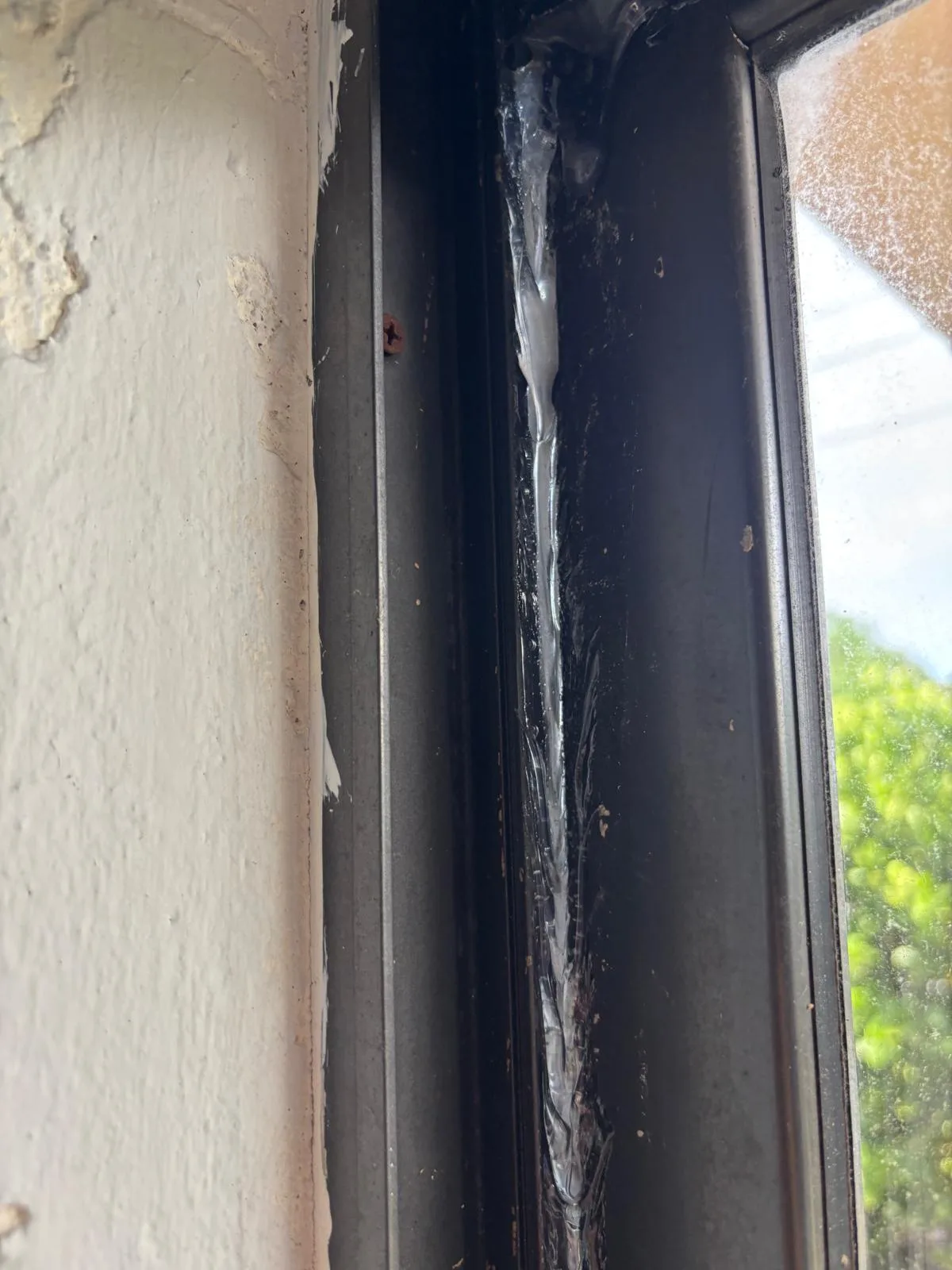
When a sliding door falls off its track, stop sliding it immediately. Treasure Coast Sliding Door Repair recommends wedging the panel with a door stop or propping it with a towel roll to prevent further movement. An unsecured derailed panel can tip, crack the glass, and expose the home interior to weather and entry risk.
TCSDR technicians locate the exact section of aluminium track channel where the roller exited the rail. Derailment usually occurs at a dent, a corrosion ridge, or a section where debris has compacted into a hard obstruction. Identifying this point before lifting the door prevents re-derailment during the realignment process.
Treasure Coast Sliding Door Repair lifts the door panel with proper panel-handling tools, reseats the rollers into the track channel, and tests the full door travel range before confirming the repair. If the original derailment cause is not corrected, the panel will derail again - TCSDR always addresses both the symptom and the root cause.
Treasure Coast Sliding Door Repair is a DBPR-licensed sliding door service company with a 5.0-star rating across 75 verified reviews. TCSDR serves Fort Pierce homeowners in South Beach, Indian River Estates, Lakewood Park, and White City with same-day availability for derailed door emergencies.
TCSDR handles every aspect of a derailed sliding door - panel lifting, roller inspection and replacement, track channel assessment, debris clearance, and final travel testing. The service includes a full safety check to confirm the locking mechanism engages correctly after the panel is reseated.
Treasure Coast Sliding Door Repair responds to derailed door calls throughout Fort Pierce ZIP codes 34947, 34949, 34950, 34951, and 34982. TCSDR reaches properties near Fort Pierce Inlet State Park, the Manatee Observation Center, and the Sunrise Theatre area the same day service is requested.
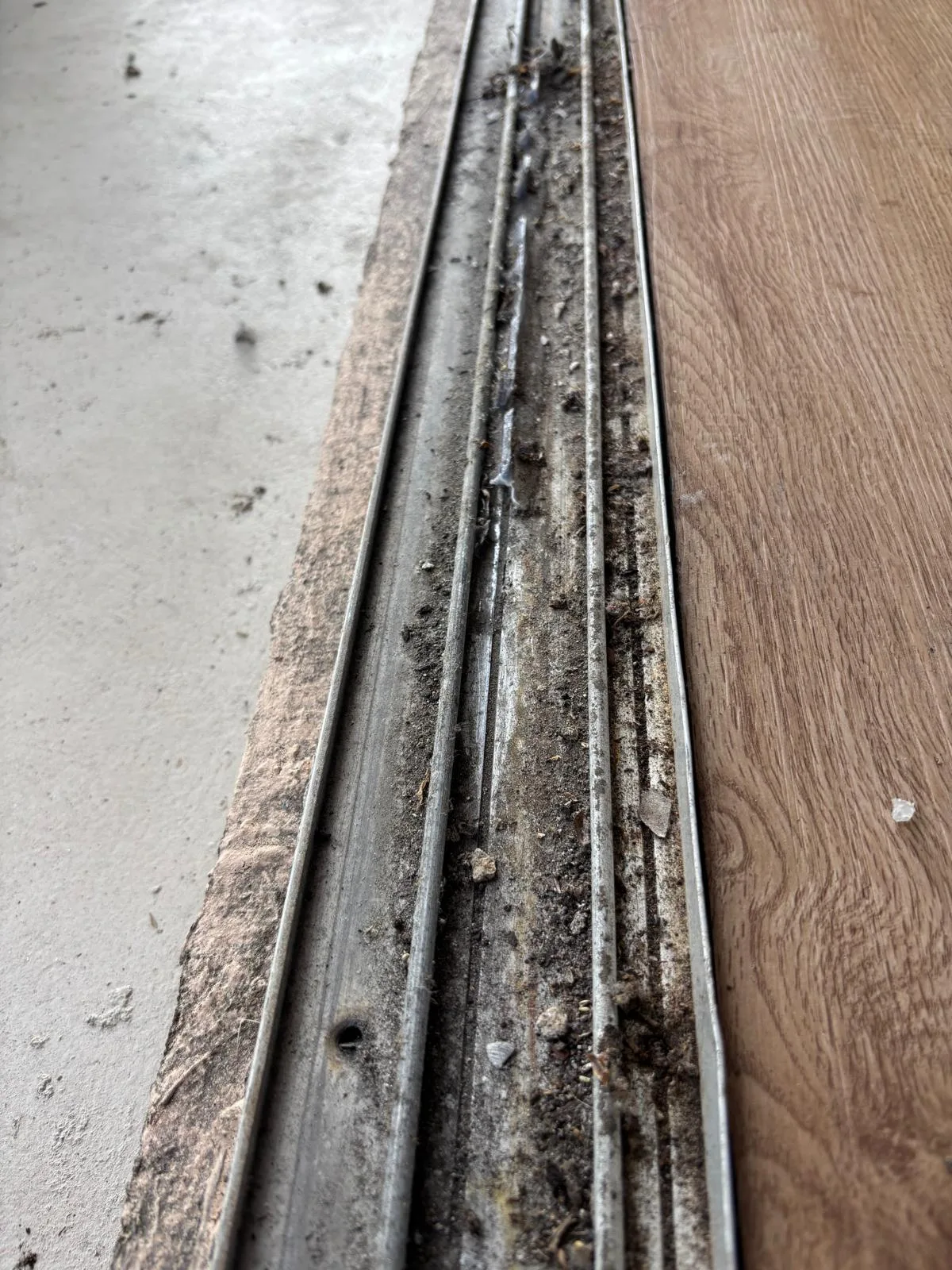
A sliding door panel leaves its track when the roller hardware can no longer maintain contact with the aluminium channel. This loss of contact has three primary causes: the roller itself has worn flat or cracked, the track channel has a physical obstruction or deformation at the exit point, or the door panel has been lifted by external force - such as a child pulling on the door from the outside while it was locked.
Fort Pierce homeowners near the Indian River Lagoon face an added risk factor: salt-air corrosion that roughens the channel surface creates micro-ridges that can catch and flip a roller out of the rail. According to NIST corrosion studies, chloride deposition accelerates pitting on aluminium alloys in coastal Florida environments at a rate that doubles roughly every decade of deferred maintenance.
Treasure Coast Sliding Door Repair identifies the specific derailment cause on the first visit. Knowing whether the failure originated at the roller, the track, or an external force determines the correct repair approach and prevents a repeat incident.
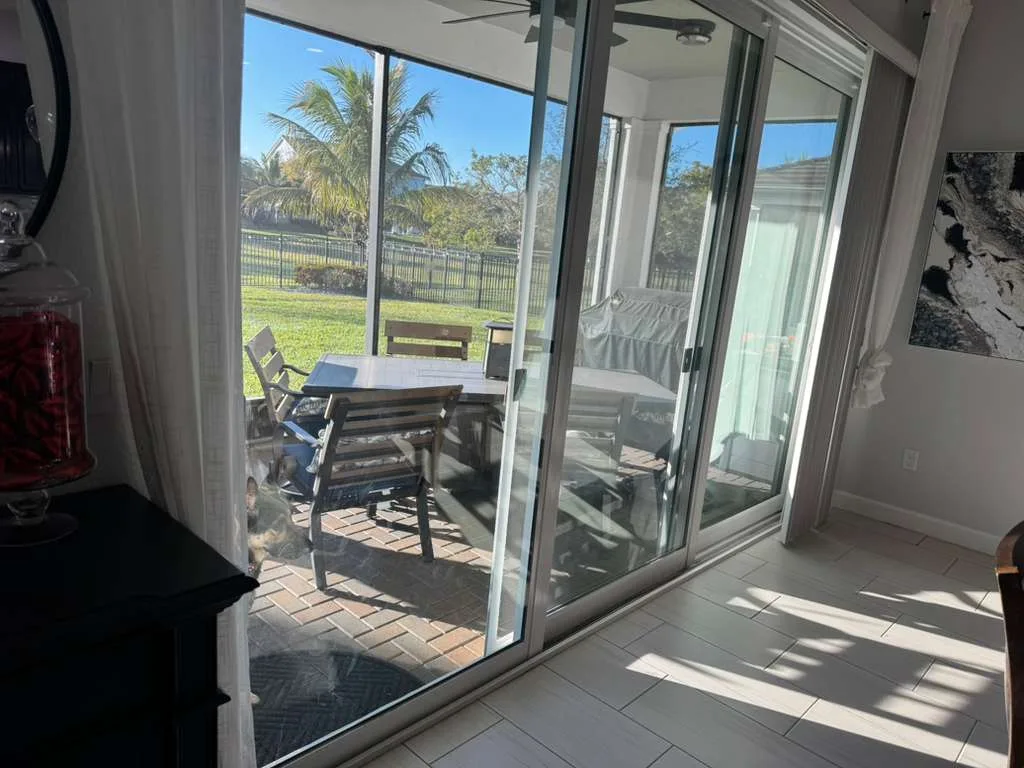
Homeowners sometimes attempt to reseat a derailed panel by lifting from the bottom edge. Treasure Coast Sliding Door Repair cautions that this approach carries real risk. A standard tempered glass sliding door panel weighs between 60 and 150 pounds depending on glass thickness and frame size. Lifting without proper panel handles creates lateral stress on the glass that can cause sudden fracture.
A second risk involves the track channel condition. If the channel has a bent section or a hard debris mass at the original exit point, forcing the roller back in without clearing the obstruction simply re-derails the panel within the first few slides. Each failed DIY attempt risks additional deformation of the aluminium channel wall.
TCSDR technicians use low-profile aluminum lifting tools and roller-alignment jigs that distribute panel weight evenly and guide the roller cartridge into the channel without contact with the glass frame. This controlled process is the reason sliding door track repair fort pierce calls involving derailed panels are resolved in a single visit rather than requiring return trips.
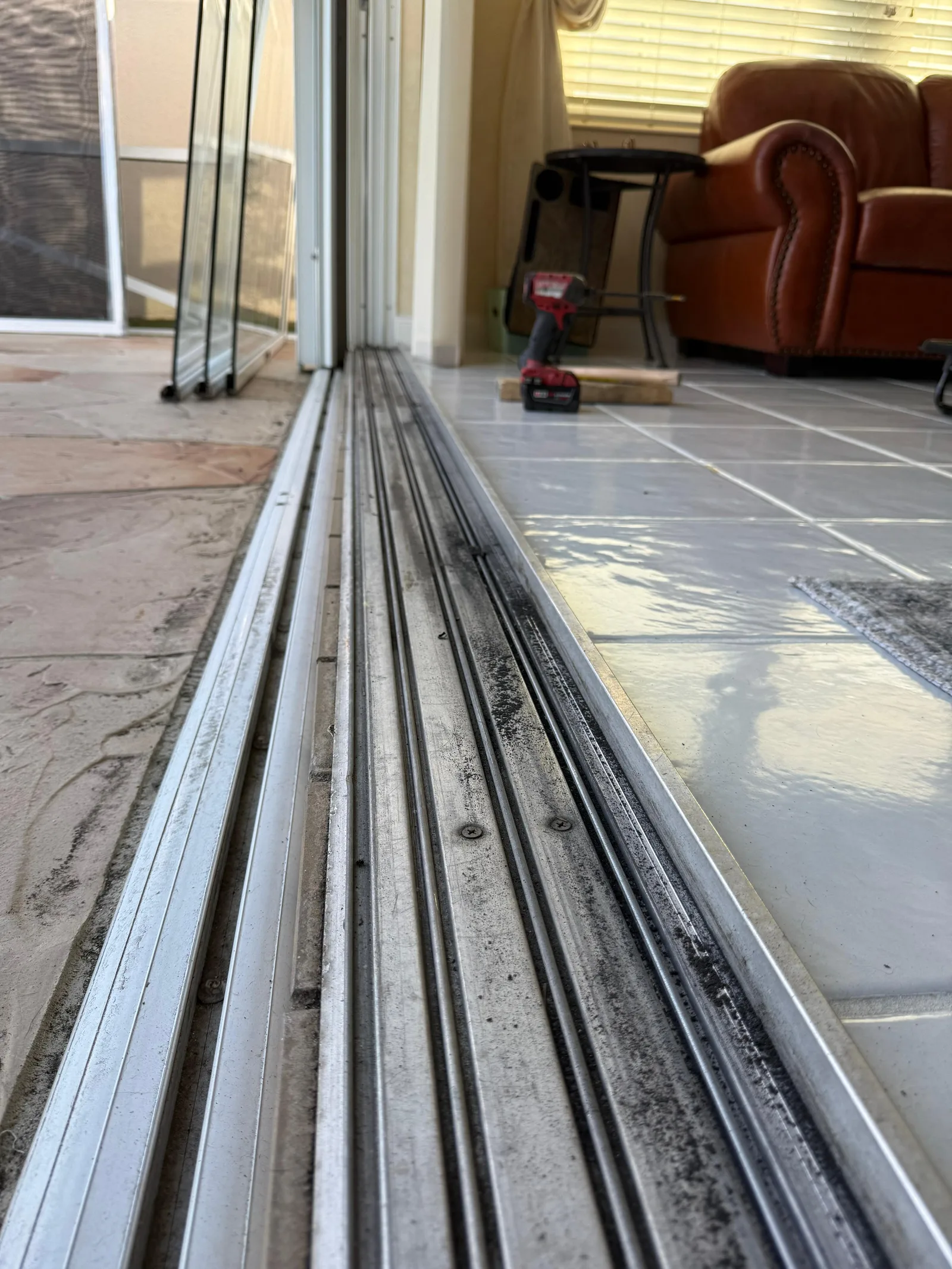
The primary damage is to the roller cartridge itself - a derailed roller often cracks its nylon housing or deforms its axle bracket on impact with the channel floor. If the panel dropped before fully leaving the track, the lower edge of the aluminium door frame may show impact marks where it contacted the track wall.
Secondary damage occurs when a homeowner continues to use a partially derailed door. The door panel then rides on its aluminium frame edge rather than on the rollers, scoring deep grooves into the track channel. These grooves trap debris and moisture, seeding the corrosion cycle documented by Wikipedia's entry on corrosion for metals in humid saline environments.
Treasure Coast Sliding Door Repair documents all secondary damage during the initial inspection so the homeowner receives a complete picture of what the derailment has affected. TCSDR provides a single bundled quote covering both the primary roller repair and any secondary track or frame remediation required.
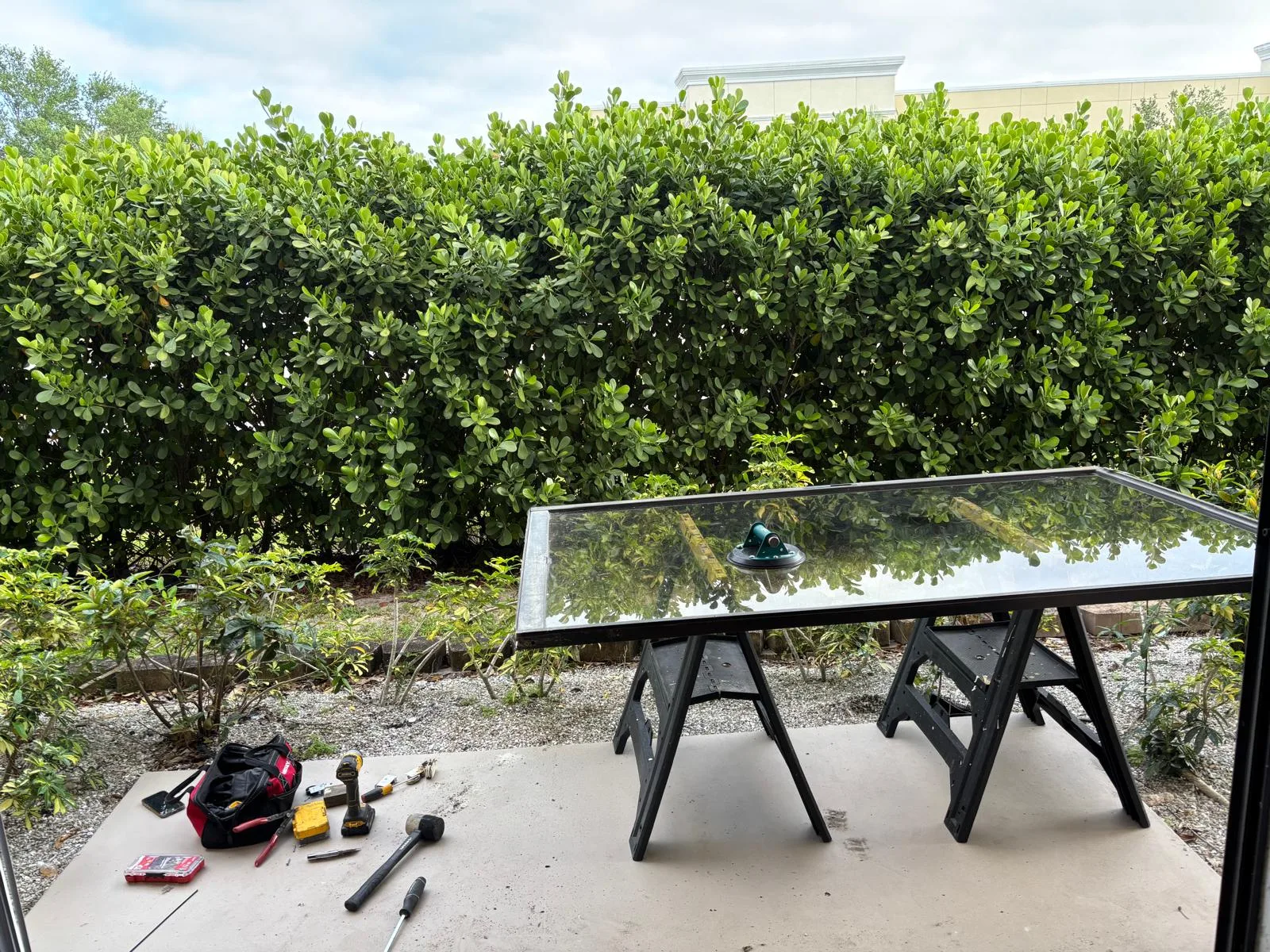
A straightforward derailment where the roller is intact and the track channel has no structural damage typically takes 30 to 60 minutes. Treasure Coast Sliding Door Repair's service vehicle carries the roller cartridges, track hardware, and lubricants needed to handle the most common residential patio door configurations found in Fort Pierce homes built between 1975 and the present.
If the derailment has caused a bent track section, the repair extends to 90 to 120 minutes to allow for channel straightening or section replacement. Roller cartridge replacement for a two-panel bypass door adds an additional 30 to 45 minutes per panel.
TCSDR provides a time estimate after the initial inspection. Homeowners in ZIP codes 34949 and 34951 near South Beach and Lakewood Park can expect same-day completion on the large majority of derailment calls placed before 2:00 PM.
Treasure Coast Sliding Door Repair stocks tandem-wheel, single-wheel, and adjustable-height roller cartridges in both nylon and steel-wheel configurations. The correct choice depends on the aluminium track profile, the door panel weight, and the homeowner's preference for quiet operation versus long service life. Steel rollers last longer in corrosive coastal environments but produce more rolling noise than nylon wheels.
For Fort Pierce homes with aluminium-frame patio doors manufactured between 1978 and 2000, TCSDR carries the tandem cartridge formats that were standard for that era's door systems. These cartridges are no longer stocked by most hardware retailers, making TCSDR's parts inventory a practical advantage for owners of older Florida homes.
All replacement rollers installed by Treasure Coast Sliding Door Repair meet the load and cycle specifications referenced in aluminium alloy hardware standards for exterior residential door applications, ensuring the repaired door performs reliably under South Florida's daily thermal cycling.
Yes. A derailed sliding door panel cannot reliably engage the keyed lock bolt or the secondary security bar because the panel is no longer aligned with the strike plate built into the door frame. Even if the latch appears to close, the misalignment reduces the bolt engagement depth to a fraction of its rated penetration, significantly weakening the door's resistance to forced entry.
Fort Pierce homeowners should treat a derailed patio door as a same-day security concern rather than a convenience issue. Treasure Coast Sliding Door Repair prioritizes derailment calls for this reason and maintains same-day availability throughout the week. TCSDR technicians verify full lock engagement as the final step of every derailment repair before signing off the work order.
Homeowners who cannot get a same-day appointment should brace the panel from inside with a fitted security bar in the track channel - a temporary measure TCSDR recommends only until the panel can be properly reseated and the lock mechanism re-verified.
Treasure Coast Sliding Door Repair recommends an annual roller inspection as the single most effective prevention measure for Fort Pierce homeowners. Worn rollers develop flat spots that increase track shock loads with every door movement, and catching this wear early prevents the progressive damage that leads to sudden derailment.
Monthly track cleaning removes the compacted debris that builds into hard ridges - the most common physical derailment trigger TCSDR identifies in South Beach and Indian River Estates homes. Using a dry PTFE lubricant rather than a wet oil lubricant keeps the rail surface smooth without creating a debris-trapping adhesive layer.
TCSDR also recommends adjusting the door panel height annually. Most aluminium door frames allow 1/4-inch of height adjustment via roller mounting screws. Maintaining the correct height keeps the panel parallel to the track and distributes roller loads evenly across both wheel bearings, extending roller service life by two to three years under normal Fort Pierce coastal conditions.
| Service | Time | Price (national avg) |
|---|---|---|
| Derailed door panel reseating (rollers intact) | 30-60 min | $150-$250 |
| Roller cartridge replacement (per panel) | 45-90 min | $150-$350 |
| Track channel section repair or replacement | 1-2 hrs | $200-$400 |
| Full derailment repair including track and rollers | 2-3 hrs | $280-$450 |
| Security lock re-alignment after derailment | 20-30 min | $85-$150 |
| Annual roller and track inspection | 45-60 min | $100-$175 |
National-average pricing - your on-site tech provides binding quote before work begins.
Treasure Coast Sliding Door Repair is a DBPR-licensed contractor specializing in sliding door track and roller systems throughout Fort Pierce and St. Lucie County. TCSDR has resolved hundreds of derailment calls across the Treasure Coast, earning a 5.0-star rating from 75 verified customers. Our technicians carry a full parts inventory and use professional panel-handling tools to reseat and repair derailed doors in a single visit, every time.